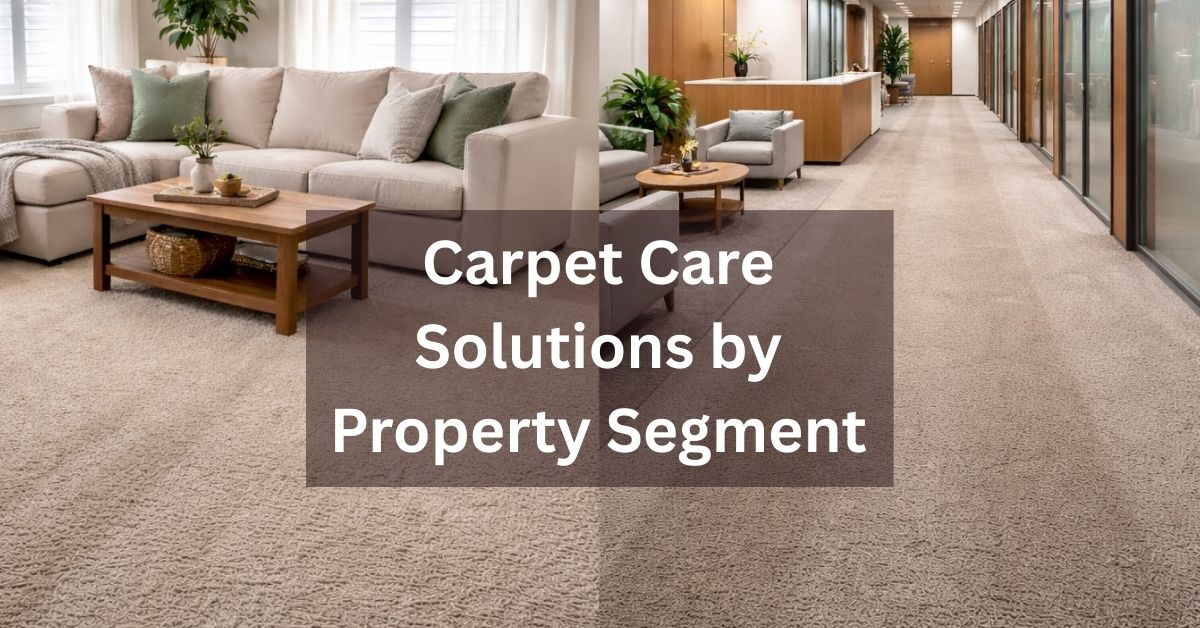
Carpets don’t just cover floors. They absorb everyday life – foot traffic, dust, spills, allergens, moisture, and even odors. Most carpets aren’t ruined by spills – they’re destroyed slowly by soil that owners never see until replacement is the only option.
One of the biggest mistakes property owners make is treating all carpets the same, no matter how the space is used.
A family home, a temporary apartment, a hotel, and a business office all create very different stress patterns. That’s why understanding carpet cleaning for different property types is essential for protecting appearance, extending carpet lifespan, and supporting healthier indoor environments.
Understanding Segment-Based Carpet Care
Segment-based carpet care begins with a simple concept: how the space is used matters more than how it looks on paper.
Why Carpet Care Varies by Property Segment
The use of carpet is dependent on a combination of several factors:
- Daily foot traffic volume
- Period and duration of occupancy.
- Lifestyle habits (pets, children, indoor shoes)
- Environmental exposure (moisture, outdoor debris, shared entryways)
Carpet in a quiet bedroom may only compress slowly over several years. But carpet in a rental apartment can become visibly worn within months.
How Usage and Occupancy Affect Carpet Performance
Occupancy patterns shape:
- Soil penetration depth
- Fiber crushing and matting
- Odor retention
- Allergen accumulation
According to the Carpet and Rug Institute the majority of carpet damage caused by soil comes from dry soil abrasion, not spills. Tiny particles act like sandpaper underfoot. Over time, they gradually wear down the fibers.
What Segment-Based Carpet Cleaning Really Involves
Rather than reacting to visible dirt, this approach focuses on:
- Preventive maintenance
- Traffic-based care schedules
- Targeted treatment of problem areas.
- Long-term cost control through preservation
Residential Carpet Care Solutions
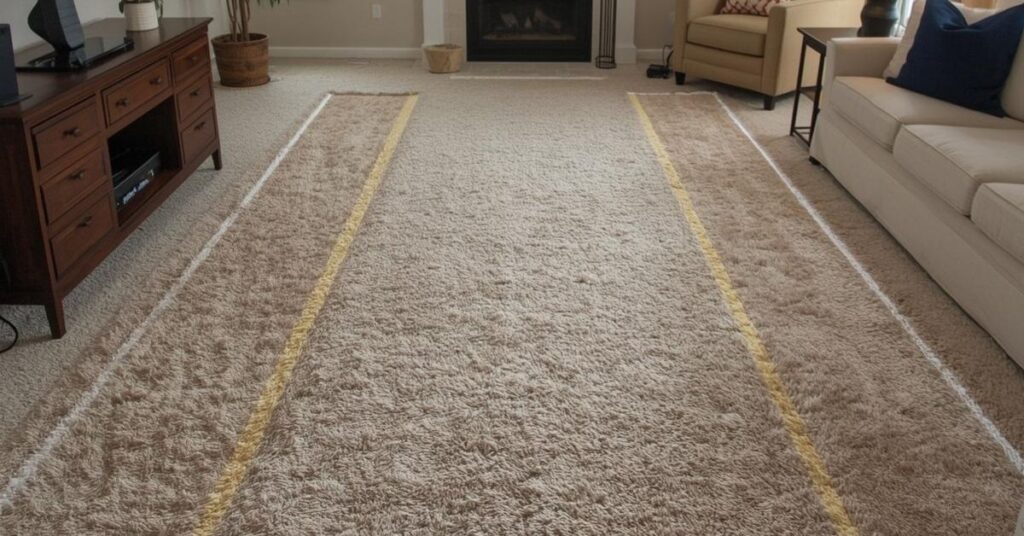
The carpets in houses are meant to be comfortable, and comfort takes responsibility.
Carpet Care for Single-Family Homes
Single-family homes are usually associated with routine. Morning and evening traffic often follows the same routes. Over time, this creates clear wear zones. There is little use of bedrooms and much use of the living rooms and corridors.
Effective care focuses on:
- Removing abrasive particles before they damage the fibers
- Retaining softness and color
- Preventing small spills from turning into permanent stains
Carpet Care for Apartments and Condos
Apartment and condo spaces are usually subject to increased wear. Reduced-size floor plans imply that the same carpet sections are reused.
Common challenges include:
- Shared building entryways that introduce dirt
- Multi-purpose rooms that concentrate activity
- Limited airflow that allows odors to linger
Specific treatment in such hot spots averts the unequal aging process along with discoloration.
High-Traffic Zones Inside Residential Spaces
No matter how large the home is, some areas must be given more attention.
- Entryways
- Hallways
- Staircases
- Living and dining areas
The creation of strategic runner and mat positions, along with targeted maintenance, contributes to a significant reduction in fiber breakdown.
Seasonal Residential Carpet Stress
The different contaminants are brought by seasonal changes:
- Winter brings moisture and de-icing residue
- Spring introduces pollen and fine dust
- Summer increases foot traffic and sand
- Fall tracks in organic debris and soil
Adjusting care seasonally prevents long-term staining and odor buildup.
Carpet Care for Rental Properties
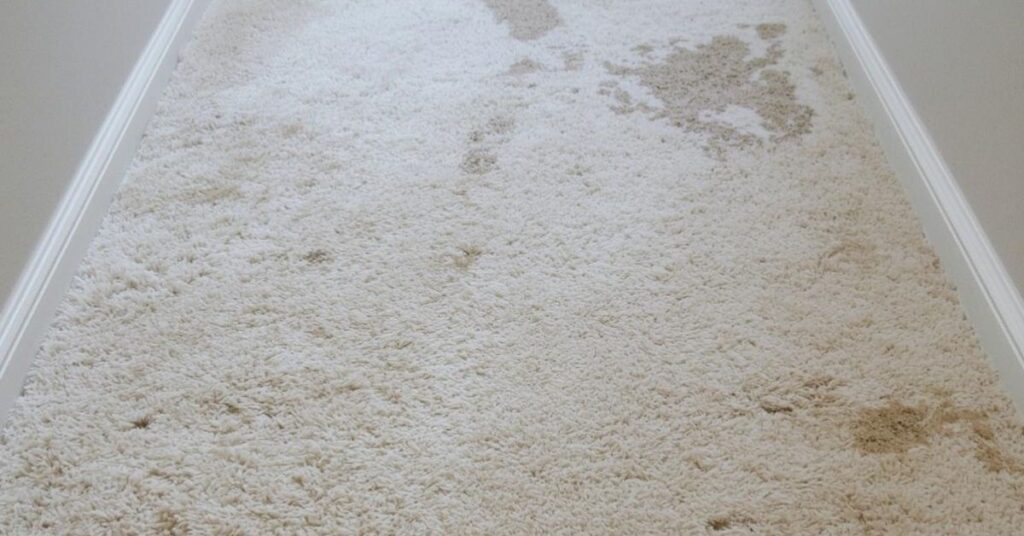
Rental properties experience higher turnover, making carpet care a major challenge for owners and managers.
Move-In and Move-Out Carpet Care
The long-term condition of rental carpets is often decided during tenant transitions
Issues during the move-out:
- Establishes a clean baseline
- Helps document wear versus damage
- Improves appeal for prospective tenants
Carpet Care Between Tenants
Between tenants, carpets should be assessed objectively for the following:
- Embedded stains
- Traffic lane discoloration
- Odor retention
- Fiber compression
Skipping this step can turn small problems into permanent damage.
Controlling Stains, Odors, and Fast Wear
Rental units commonly face:
- Pet-related accidents
- Food and beverage spills
- Smoke and cooking odors
Prompt treatment prevents these problems from penetrating the padding and subfloor layers. A quick professional carpet inspection between tenants can help spot early wear before it becomes permanent.
Extending Carpet Life in Rental Units
The prevention-oriented landlords do record savings. The strategies that are effective include:
- Stain-resistant, high-strength carpet fibers.
- Flooring to curb soil tracking.
- Planned repairs instead of corrective ones.
Airbnb & Short-Term Rental Carpet Maintenance
Short-term rentals are always under guest scrutiny. In this segment, carpet maintenance isn’t just about upkeep – it’s part of the guest experience.
Guest Expectations and Cleanliness Standards
Guests expect carpets to:
- Look visibly clean
- Smell neutral
- Feel fresh underfoot
Even small problems can affect cleanliness rates and overall ratings.
Fast Turnaround Carpet Care
With frequent guest turnover, carpet care must be:
- Efficient
- Consistent
- Low-drying where possible
Minor yet regular maintenance ensures there is no build-up and that carpets are always ready for the next stay.
Odor and Stain Prevention Between Stays
Preventive steps include:
- Immediate spill response
- Post-checkout inspections
- Routine deodorizing treatments
Carpet Appearance and Guest Reviews
Carpets affect:
- First impressions
- Listing photos
- Perceived cleanliness and comfort
Office & Commercial Carpet Maintenance
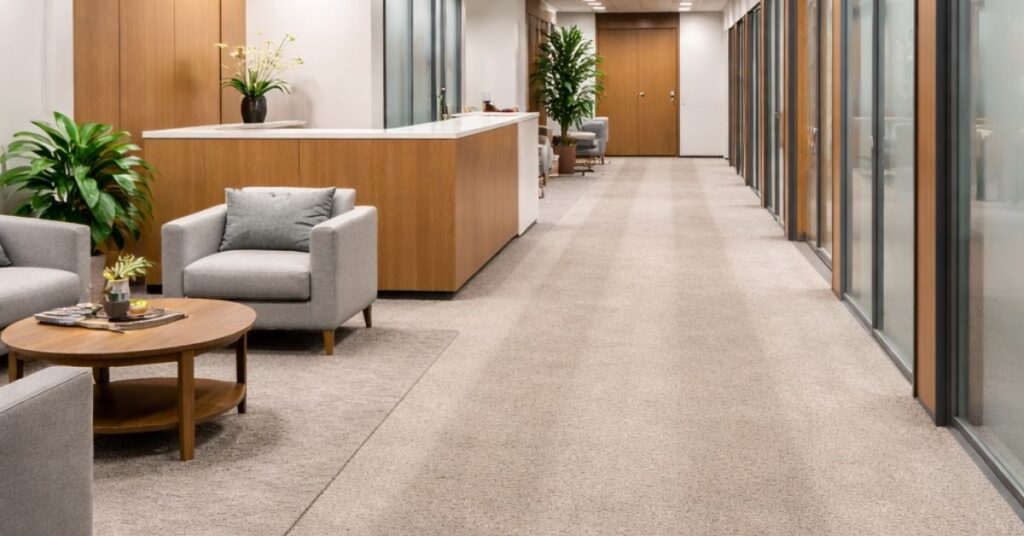
Commercial carpets must handle constant daily use while maintaining a polished appearance. Consistent maintenance is crucial to the lifespan of commercial carpets, especially in reception areas and corridors, which is why investing in Commercial Carpet Cleaning Solutions is essential for long-term durability and professional presentation.
Carpet Care in Offices and Workspaces
Office environments introduce the following:
- Continuous foot traffic
- Dirt tracked from outdoors
- Rolling chairs and equipment pressure
These factors compress fibers and trap soil deep within the carpet structure.
High-Traffic Commercial Zones
The most vulnerable areas include:
- Reception areas
- Corridors
- Conference rooms
- Break rooms
Without consistent care, these spaces show wear quickly and unevenly.
Carpet Appearance and Brand Image
From long-term facility management experience, carpet condition influences:
- Client perception
- Employee morale
- Overall workplace professionalism
Scheduled Commercial Maintenance Programs
Planned maintenance:
- Reduces operational disruption
- Controls long-term costs
- Extends carpet replacement cycles
Carpet Care Strategies for Property Managers
Property managers must balance quality, scale, and budget.
Managing Multiple Units and Locations
Standardized care plans help managers:
- Track carpet condition across properties
- Schedule maintenance proactively
- Avoid emergency interventions
Consistent Cleaning Standards Across Properties
Consistency improves:
- Tenant satisfaction
- Owner confidence
- Operational efficiency
Cost Control Through Preventive Maintenance
Preventive care reduces:
- Premature carpet replacement
- Vacancy delays
- Unexpected expenses
Reducing Carpet Replacement Frequency
Well-maintained carpets often last several years longer, especially when traffic patterns are managed intentionally.
Comparing Carpet Care Needs Across Property Segments
| Property Segment | Traffic Level | Primary Challenge | Typical Carpet Issues |
|---|---|---|---|
| Residential | Low–Medium | Comfort and appearance | Spills, pet hair, gradual fiber flattening |
| Long-Term Rentals | Medium | Turnover-related wear | Furniture marks, stains, lingering odors |
| Short-Term Rentals | High | Guest perception | Visible stains, fast odor buildup, uneven wear |
| Commercial | Very High | Constant daily traffic | Embedded dirt, matting, traffic lanes |
Choosing the Right Carpet Care Approach by Property Type
How Property Type Guides Assessment
Effective assessment considers:
- Traffic flow patterns
- Occupant behavior
- Carpet fiber composition
- Historical maintenance data
Customizing Care Methods by Segment
Each segment benefits from a different balance of:
- Cleaning frequency
- Maintenance techniques
- Preventive measures
When Specialized Treatments Are Required
Specialized care may be needed for:
- Persistent pet odors
- Allergy-sensitive environments
- Moisture-related issues
Applying these selectively ensures results without unnecessary cost.
Conclusion
With some maintenance plans aligned with actual usage, carpets remain cleaner and promote healthier indoor environments. Carpet-cleaning applications across various types of property allow owners, landlords, and managers to safeguard their investments while maintaining consistent quality in the spaces.
Intelligent carpet care has nothing to do with doing more but with doing what is right for each part of the property.