
Carpets are significant for comfort, beauty, and the overall interior atmosphere, yet they are frequently among the most neglected surfaces in regular cleaning. Dirt, dust, allergens, bacteria, and moisture are deposited deep within the carpet fibers long before stains appear. This leads many homeowners and business owners to ask the same essential question: how often should carpets be cleaned?
The response will depend on several factors, such as foot traffic, lifestyle, pets, children, carpet type, and regional climate, including Florida’s coastal heat and high humidity, which significantly influence carpet cleaning frequency. Knowing how often to clean your carpets will allow them to wear out sooner, safeguard your health, and prolong your life.
Recommended Carpet Cleaning Frequency
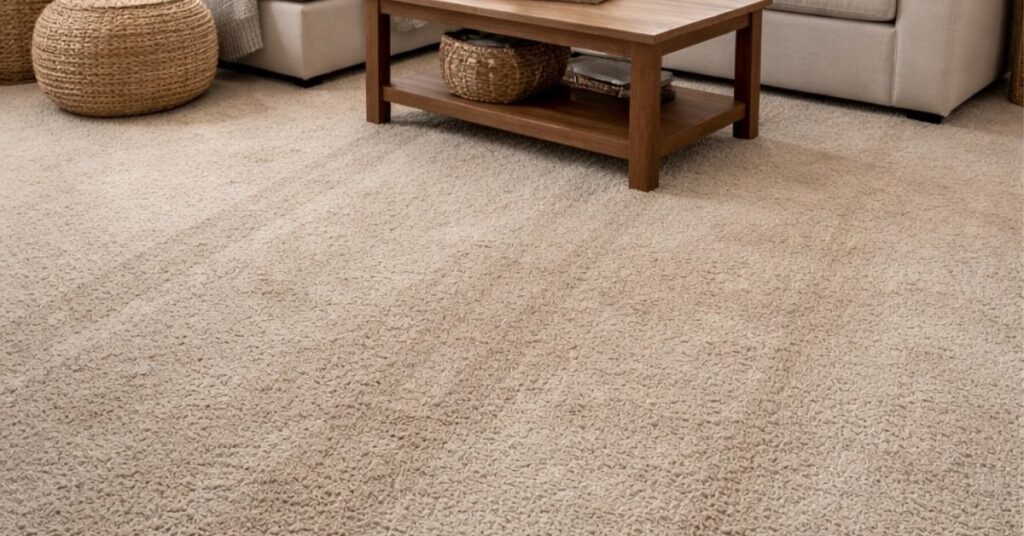
Understanding general carpet-cleaning recommendations helps lay a strong foundation before tailoring a schedule to your specific situation. Professional guidelines focus on preventing damage rather than reacting to visible dirt.
General Carpet Cleaning Guidelines
According to professional carpet cleaners and manufacturers, carpet cleaning should be done proactively rather than reactively. It is never a good idea to wait until the carpets appear dirty, as the soil will have penetrated the fibers.
As a general guideline:
Vacuuming should be done at least once, preferably twice, a week.
- Deep carpet cleaning should be performed by the professionals regularly, once every 6 to 12 months.
According to the Institute of Inspection, Cleaning and Restoration Certification (IICRC), regular professional carpet cleaning removes pollutants that vacuuming cannot, thereby improving indoor air quality.
This baseline addresses how often carpets should be cleaned.
for average households, but real-life conditions often require adjustments.
Minimum vs Ideal Carpet Cleaning Frequency
Rather than presenting a single recommendation, it is more feasible to contrast minimum and ideal cleaning intervals based on human usage.
| Carpet Usage Level | Ideal Frequency | Why This Matters |
|---|---|---|
| Low-traffic areas | Every 9–12 months | Guest rooms and rarely used spaces may look clean, but dust and allergens still settle deep in the fibers. Annual cleaning keeps them fresh and prevents slow, hidden wear. |
| Medium-traffic areas | Every 6–9 months | Living rooms and hallways are used daily. Dirt builds up over time, so more frequent cleaning helps maintain softness and appearance. |
| High-traffic areas | Every 3–6 months | Entryways and stairs take the most abuse. Regular professional cleaning prevents permanent wear, odors, and early carpet replacement. |
Key takeaway:
A minimum frequency averts gross destruction, whereas an ideal frequency maintains the look, comfort, and durability.
Manufacturer and Warranty Recommendations
The majority of large carpet producers, such as Shaw, Mohawk, and Stainmaster, require professional cleaning within 12-18 months as a prerequisite for their warranties.
Failure to clean as per the schedule of the manufacturer may lead to:
- Voided warranties
- Denied damage claims
- Faster fiber deterioration
If you’re asking how often carpets should be cleaned to stay protected financially, warranty guidelines should always be part of the decision.
Carpet Care Schedules by Living Situation
Where you live plays a significant role in how quickly carpets accumulate dirt and wear. Homes, apartments, and rental properties (Airbnb, home stay) all experience different traffic patterns and maintenance demands.
Homes, Apartments, and Rental Properties Compared
| Living Situation | Recommended Frequency | Key Reason |
|---|---|---|
| Single-family homes | Every 6–12 months | Balanced daily use |
| Apartments | Every 6–9 months | Smaller spaces soil faster |
| Rental properties | Between tenants and annually | High turnover and liability |
Move-In and Move-Out Cleaning Needs
Between tenants: professional carpet cleaning.
- Removes lingering odors
- Destroys allergens and bacteria.
- Makes it a clean, move-in-ready room.
Tenant Turnover Considerations
- Regular carpet cleaning:
- Reduces replacement costs
- Assist in health and safety standards.
- Maintains long-term property value.
Through experience, there are fewer complaints in rental properties with a scheduled cleaning schedule, and fewer carpets are replaced.
Carpet Maintenance for Commercial Spaces
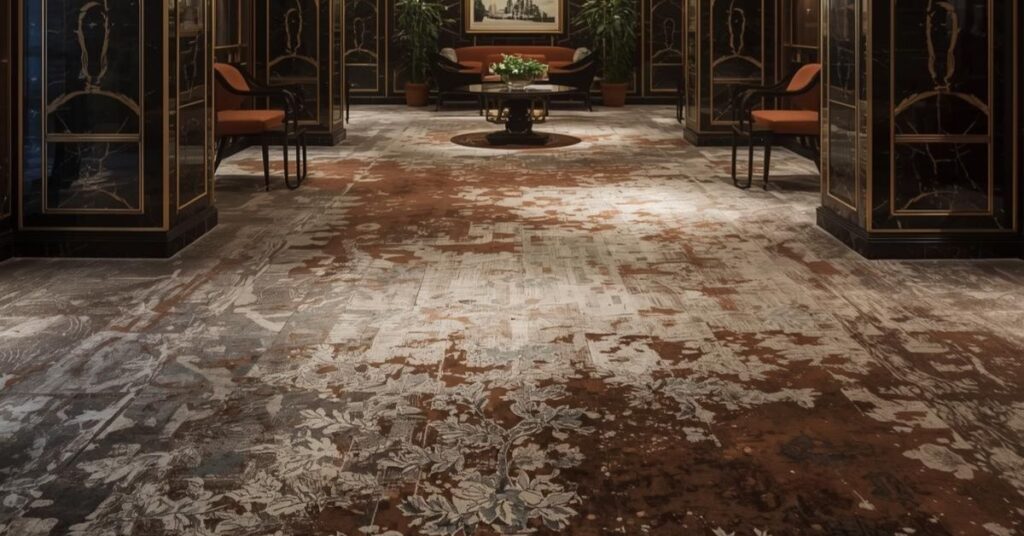
Commercial carpets experience greater stress from constant foot traffic and public use. Cleaning schedules must be based on traffic levels, not appearance alone.
Commercial Traffic-Based Cleaning Schedules
| Traffic Level | Common Spaces | Recommended Frequency | Real-World Examples |
|---|---|---|---|
| Low traffic | Private offices, meeting rooms | Every 9–12 months | Small offices with 10–20 employees, accounting firms, consulting offices, and back-office areas with limited daily foot traffic. |
| Medium traffic | Retail stores, clinics, and larger offices | Every 3–6 months | Medical clinics, retail shops, call centers, and mid- to large-sized companies where staff and customers move through the space all day. |
| High traffic | Hotels, restaurants, lobbies | Monthly to quarterly | Hotels, restaurants, corporate lobbies, event venues, and public-facing businesses with constant foot traffic from guests and visitors. |
The Carpet and Rug Institute (CRI) confirms that routine maintenance improves appearance retention and reduces long-term costs.
Scheduled Maintenance vs Deep Cleaning
A healthy commercial carpet plan entails the inclusion of two:
- Cleaning of soil on the surface in a planned manner.
- Deep cleaning to remove accumulated debris and bacteria.
This balanced approach answers how often carpets should be cleaned in commercial environments without unnecessary downtime or expense.
How Pets and Children Affect Carpet Care Needs

Households with pets or children place extra demands on carpet fibers. Hair, spills, accidents, and allergens accumulate faster and require more frequent professional care.
Carpet Care Recommendations for Homes With Pets (Our Four-Legged Friends)
| Pet-Related Issue | Carpet Impact | Cleaning Recommendation |
|---|---|---|
| Dog hair and dander | Can trigger allergies and collect deep in carpet fibers | Professional carpet cleaning every 3–6 months helps keep indoor air fresher and more comfortable. |
| Pet odors | Smells from our dogs get absorbed into carpet fibers over time | Professional deodorizing treatments remove odors at the source, not just mask them. |
| Accidents and muddy paws | Can lead to stains, bacteria, and lingering odors | Immediate spot treatment followed by professional cleaning when needed. |
The U.S. Environmental Protection Agency (EPA) notes that carpets trap pet allergens, which can then circulate back into indoor air.
Carpet Care Tips for Homes With Children
Children increase exposure to spills, dirt, and germs that settle deep into carpet fibers. For families with kids, professional cleaning every 6 months helps maintain hygiene and comfort.
Many parents report fewer allergy symptoms and fresher indoor air after maintaining a consistent cleaning schedule.
Factors That Influence How Often Carpets Should Be Cleaned
Several environmental and lifestyle factors directly affect how quickly carpets wear and soil. Understanding these factors helps refine a cleaning schedule that fits real-world conditions.
Key Influencing Factors
| Factor | Why It Matters |
|---|---|
| Foot traffic | Dirt grinds into fibers |
| Indoor air quality | Carpets trap allergens |
| Carpet fiber type | Some materials hold soil longer |
| Climate & humidity | Moisture encourages bacteria |
Carpet Type and Fiber Material
- Nylon: Strong and rugged, conceals dirt.
- Polyester: Waterproof but oily and soil-attracting.
- Wool: A Natural fiber that must be handled with less harshness and more frequently.
Fiber type plays a significant role in determining how often carpets should be cleaned to avoid damage.
Climate and Humidity Considerations
In humid climates like Florida, carpets dry more slowly and retain moisture longer. This increases the risk of odors, bacteria, and mold growth.
More frequent professional cleaning helps control moisture before problems develop.
What Happens If You Don’t Clean Carpets Often Enough?
Skipping routine carpet cleaning leads to more than just cosmetic issues. Over time, neglect affects both carpet performance and indoor health.
Consequences of Infrequent Carpet Cleaning
| Problem | Long-Term Result |
|---|---|
| Visible wear | Permanent fiber damage |
| Odor buildup | Bacteria growth |
| Shortened lifespan | Early replacement |
| Health concerns | Poor indoor air quality |
According to CRI research, proper cleaning can extend carpet life by several years.
Can You Clean Carpets Too Often?
While routine cleaning is essential, excessive or improper cleaning can also cause damage. Understanding the balance is key to carpet longevity.
Risks of Over-Cleaning Carpets
- Fiber distortion
- Residue buildup
- Excess moisture retention
Proper Cleaning Methods and Timing
- Do not shampoo too much on your own.
- Adhere to the manufacturer’s guidelines.
- Spearhead dry between wipe-outs.
How Professionals Prevent Carpet Damage
Certified professionals use treated moisture, appropriate extraction procedures, and fiber-friendly solutions to ensure a safe, effective cleaning process.
How to Create a Carpet Cleaning Schedule
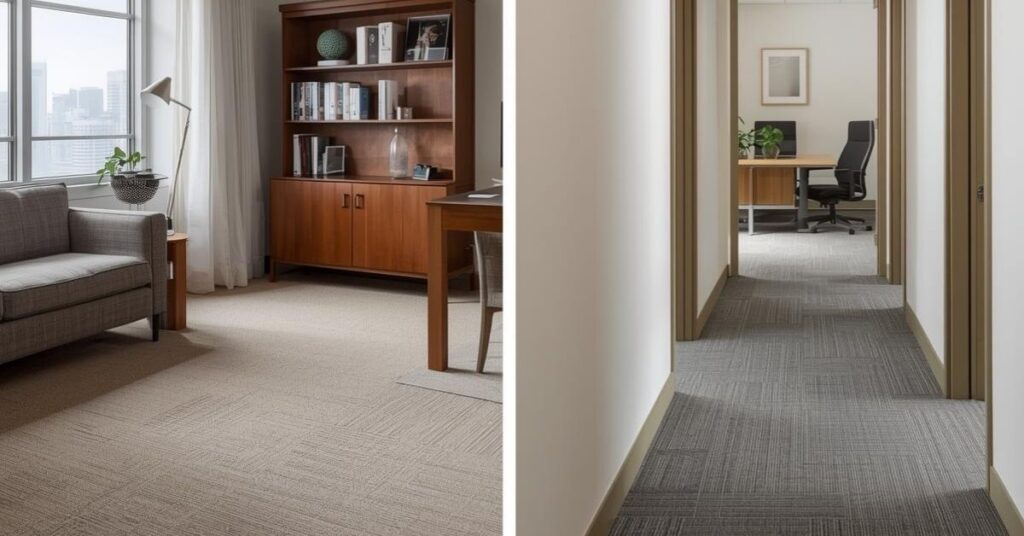
Creating a consistent schedule removes guesswork and ensures carpets stay in good condition year-round.
Residential Carpet Cleaning Schedules
- Low-traffic homes: Every 12 months.
- Pets or children: Every 3-6 months.
Commercial Carpet Maintenance Plans
- Traffic-based scheduling
- Preventive maintenance projects.
- Reduced long-term replacement costs.
Seasonal Carpet Cleaning Considerations
- Spring: Remove allergens
- Summer: Control humidity
- Fall/Winter: Dump tracked debris off.
Conclusion
Understanding how often carpets are cleaned helps protect your health, preserve your flooring investment, and maintain a cleaner indoor environment. Carpets are fresher, more durable, and perform better when cared for properly and maintained according to a schedule.