Carpets do more than just make floors softer. They also trap dust, allergens, and everyday debris that can affect indoor air quality, comfort, and the long-term cost of your floors. Still, many homeowners and businesses rely on guesswork instead of learning about modern carpet-cleaning methods and how professional cleaning can protect their space.
This guide is here to inform you, not to sell anything. You’ll find out how professional carpet cleaning works, how often you need it, which myths to ignore, and when to take action. If you’ve ever wondered if your carpets are really clean or just look clean, this guide will help clear things up.
What Is Professional Carpet Cleaning?
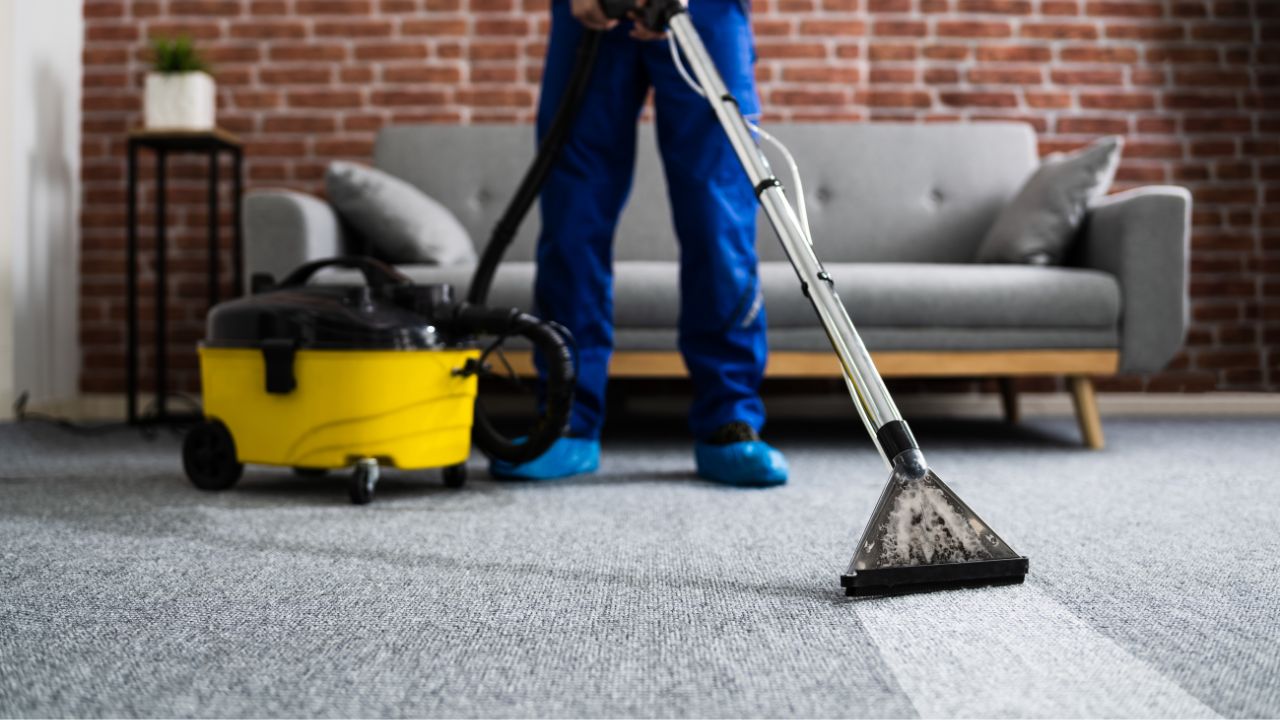
Professional carpet cleaning goes deep into the fibers to remove dirt, contaminants, and residues that regular household tools can’t reach. It uses special equipment, skilled techniques, and the right cleaning solutions to clean carpets safely and thoroughly.
What Makes Carpet Cleaning “Professional”?
Not all cleaning is the same. Carpet cleaning is considered “professional” when it includes:
- Commercial-grade extraction equipment
- Fiber-specific cleaning techniques
- Pre-treatment and controlled agitation
- Proper rinsing to avoid residue buildup
- Moisture management to prevent damage
These steps make sure carpets are cleaned well and last longer.
What Professional Carpet Cleaning Removes
Professional cleaning goes beyond the surface and removes:
- Embedded dirt and grit
- Dust mites and allergens
- Pet dander and bacteria
- Odor-causing residues
- Fine particles trapped deep in fibers
That’s why carpets usually feel lighter, fresher, and cleaner after a professional cleaning.
How Professional Carpet Cleaning Works (High-Level Overview)
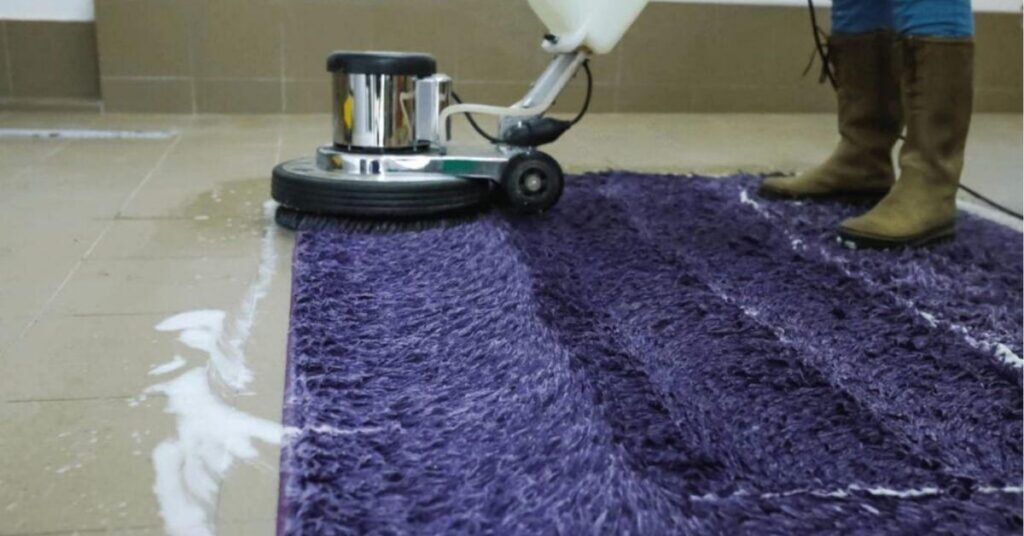
Most professional carpet cleaning follows these steps:
- Carpet inspection and fiber assessment
- Dry soil removal (pre-vacuuming)
- Pre-treatment of stains and traffic lanes
- Deep cleaning using hot water extraction or low-moisture methods
- Controlled extraction and drying
Following these steps helps prevent too much moisture and uneven cleaning.
Professional Carpet Cleaning vs Regular Vacuuming
| Feature | Vacuuming | Professional Cleaning |
|---|---|---|
| Removes surface debris | ✔ | ✔ |
| Removes deep contaminants | ✖ | ✔ |
| Improves indoor air quality | ✖ | ✔ |
| Prevents fiber damage | ✖ | ✔ |
| Eliminates odors & bacteria | ✖ | ✔ |
Vacuuming is important, but it only keeps carpets clean between deeper cleanings.
Recommended Carpet Cleaning Frequency
Carpet Cleaning Frequency for Homes
Most homes should have professional cleaning every 6 to 12 months, depending on how much the carpets are used and your lifestyle.
Carpet Cleaning Frequency for Commercial Spaces
Offices, stores, and shared buildings usually need cleaning every 3 to 6 months to keep them looking good and hygienic.
Carpet Cleaning Frequency for High-Traffic Areas
Hallways, lobbies, and common areas might need cleaning every 2 to 3 months to avoid permanent wear.
Factors That Affect Carpet Cleaning Frequency
Foot Traffic Levels
When more people walk on carpets, more dirt gets ground in, which wears them out faster.
Pets and Children
Homes with pets or kids often experience:
- Faster stain buildup
- Increased allergens
- More frequent odor issues
Cleaning more often helps keep your home comfortable and hygienic.
Indoor Air Quality Concerns
If you have allergies or live in a closed space, cleaning carpets more often can improve air quality and cut down on irritants.
Carpet Cleaning by Segment
Residential Carpet Cleaning Explained
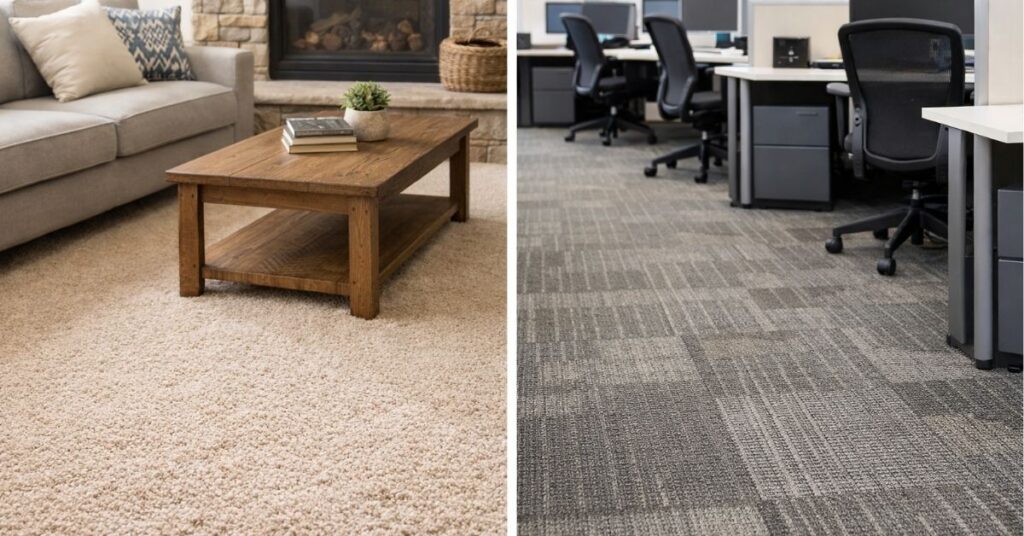
Residential carpet cleaning is made for daily life and family comfort. Homes need cleaning methods that are safe for kids and pets, but still work well on spills, odors, and allergens. Professional cleaning uses gentle yet thorough methods to remove dirt without harming your carpets, so they stay soft, clean, and last longer.
Commercial Carpet Cleaning Explained
Commercial carpet cleaning is made for busy, shared spaces. Offices, stores, and other businesses need cleaning that works well and doesn’t interrupt daily activities. Professional cleaning focuses on quick drying, little disruption, and deep cleaning to keep these areas looking clean and professional, even with lots of foot traffic.
Carpet Cleaning for Property:
For property managers, carpet cleaning is about efficiency, consistency, and protecting the property. Professional cleaning gets units ready for new tenants, removes odors, and reduces visible wear that can affect how easy it is to rent out a space. Using the same cleaning process for all properties also helps keep their value and the floors in good shape over timing performance.
Carpet Cleaning for Luxury Homes
Luxury homes often have high-end or custom carpets that need extra care and skill. These carpets do best with cleaning methods made for their materials, careful moisture control, and expert handling to protect their look and feel. Professional cleaning helps these carpets maintain their appearance without shrinking, fading, or damage.
Common Carpet Cleaning Myths Explained
Does Carpet Cleaning Damage Carpets?
No. Damage happens when carpets are cleaned the wrong way, not from professional cleaning. In fact, proper cleaning helps carpets last longer.
Is DIY Carpet Cleaning as Effective as Professional Cleaning?
DIY machines lack:
- Extraction strength
- Heat control
- Proper rinsing capability
This often leaves behind a residue that makes carpets get dirty again faster.
Do New Carpets Need Professional Cleaning?
Yes. New carpets can contain:
- Construction dust
- Manufacturing residues
- Early foot-traffic contaminants
Cleaning new carpets to help them look good and protect your warranty. Does Carpet Cleaning Cause Mold or Mildew?
OnlyMold or mildew only happens if carpets get too wet and aren’t dried properly. Professional cleaning controls moisture and airflow to prevent this problem.
Benefits of Professional Carpet Cleaning
Health and Indoor Air Quality Benefits
Professional cleaning reduces:
- Airborne allergens
- Bacteria buildup
- Respiratory irritation
Appearance and Aesthetic Benefits
Clean carpets:
- Restore color and texture.
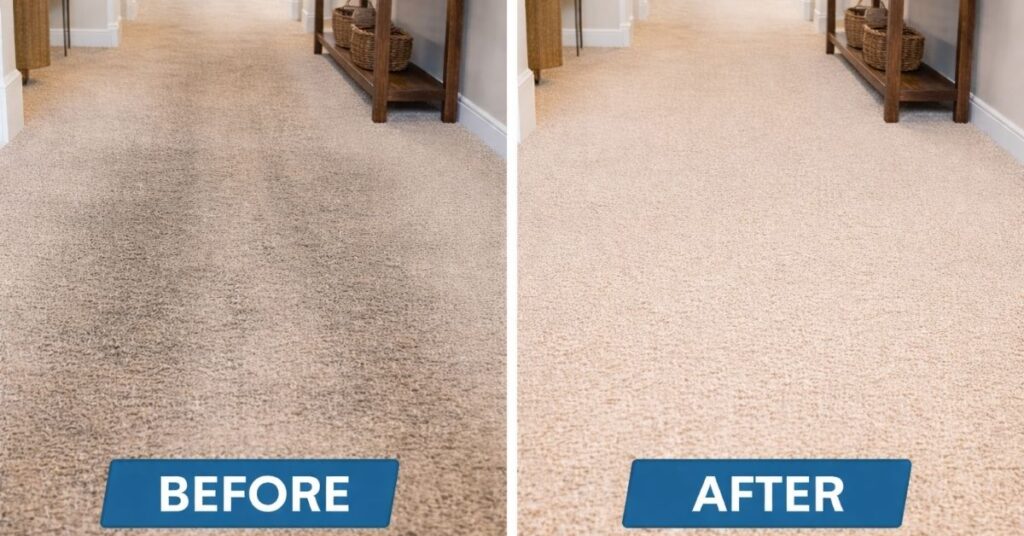
- Eliminate traffic patterns
- Improve overall room appearance.
Carpet Longevity and Maintenance Benefits
Routine cleaning:
- Prevents fiber breakdown
- Protects backing materials
- Delays costly replacement
Cost Savings Over Carpet Replacement
| Maintenance Choice | Long-Term Cost Impact |
|---|---|
| Routine professional cleaning | Low |
| Infrequent or no cleaning | Moderate |
| Early carpet replacement | High |
Taking care of your carpets with regular cleaning always costs less than replacing them.
When to Schedule Professional Carpet Cleaning
Visual Signs Your Carpet Needs Cleaning
- Dark traffic lanes
- Visible stains
- Flattened or matted fibers
Odor and Allergy-Related Warning Signs
- Lingering smells after vacuuming
- Increased allergy symptoms indoors
- Pet odors that won’t dissipate
Seasonal Carpet Cleaning Considerations
Many people schedule cleaning:
- After winter
- During allergy season
- Following events or renovations
Carpet Cleaning Basics – Quick FAQs
How Long Does Carpet Cleaning Take?
Most professional cleanings take 1–3 hours, depending on space size and condition.
How Long Does It Take for Carpets to Dry?
Drying usually takes 4–8 hours, with proper ventilation.
Is Professional Carpet Cleaning Safe for Pets and Kids?
Yes, as long as the cleaning uses approved, residue-free solutions and the right methods.
Final Takeaway
Knowing about carpet cleaning methods helps you make better choices, avoid replacing carpets too soon, and keep your indoor spaces healthier. Professional carpet cleaning is not just about looks; it’s a long-term way to protect your comfort and your investment.
This guide gives you the information you need. Now it’s time to choose the best cleaning approach for your space.